


Why East Coast Construction Is All About Data in 2026
Published
December 9, 2025
Published
December 9, 2025

Every couple of decades, something comes along that turns investors’ heads. In Australia right now that thing is data. And more precisely data centres. On the east coast, especially in New South Wales, commercial construction has suddenly got a jolt and its all thanks to the very new, very modern, asset class.
According to the AFR, the project pipeline for NSW just hit nearly AU$42 billion in the September quarter. That’s the highest it’s been in one and half years. But why? What’s driving this?
A wave of data centre developments, along with new mixed-use precincts and other commercial builds.
It’s not small tweaks either. The value of projects in concept or design phase jumped roughly 48 per cent from June, signalling that a lot of deferred development plans are being dusted off.
The boom is serious enough that some of the biggest single projects in NSW are data centres. One flagged is a $5-billion, 400,000-square-metre, six-building data centre at Kemps Creek. Another is a $2.2-billion three-building facility slated for Glendenning in early 2027.
What’s behind this surge
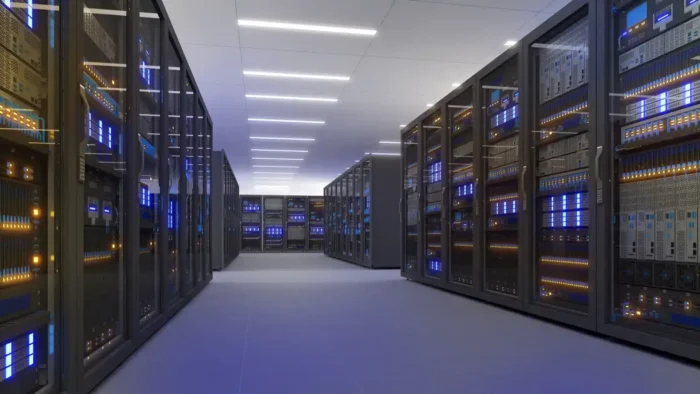
Why now? Well, first off technology has changed everything.
The explosion in demand for cloud computing, AI workloads and streaming services has made data centres not optional, but essential for cities. The bit of cloud and AI hype translates into real brick, steel and cooling infrastructure on the ground. Australia’s data centre market has reportedly expanded forty-fold over the past 20 years.
Then there’s the investor angle. Big, institutional capital are seeing data centres as real estate. Long lease terms, stable demand for data and the rising value of digital infrastructure make these assets very attractive. According to CBRE, data centre investment is now being viewed as mainstream.
Could this wave reach WA?
One might wonder whether all the data fandom is just an east coast thing. But there’s reason to think WA could ride the wave too.
The local government here has already promoted WA as a potential global hub for data centres. Plenty of land, renewable-energy potential and strong international connectivity give WA some serious advantages.
And where big operators like AWS (Amazon) and others invest in data centre infrastructure, it tends to spread. Once east coast markets tighten and real estate competition becomes fierce, the appeal of more underused land and supportive regulation out west only grows.
We saw the same thing happen in distribution centres (thanks to drastic online shopping activity), and it wouldn’t be a surprise if WA gets more than its fair share of the next wave of data centre builds over the next few years.
Why it matters for investors
Sectors like healthcare, logistics, build-to-rent and data centres are no longer alternative investments. They’re becoming core plays for many investors across the country.
Does it mean you should switch? We’re seeing data centres offer stable yields, long-term leases (often backed by strong corporates or institutions), and with demand here to stay, it seems there’s also long-term demand on the cards.
It is early in the data centre lifespan though. There’s little doubt — unless alternative options to cloud storage come along — that they will remain relevant for years to come. But concerns do arise when you pull back the curtain.
The risks investors should consider
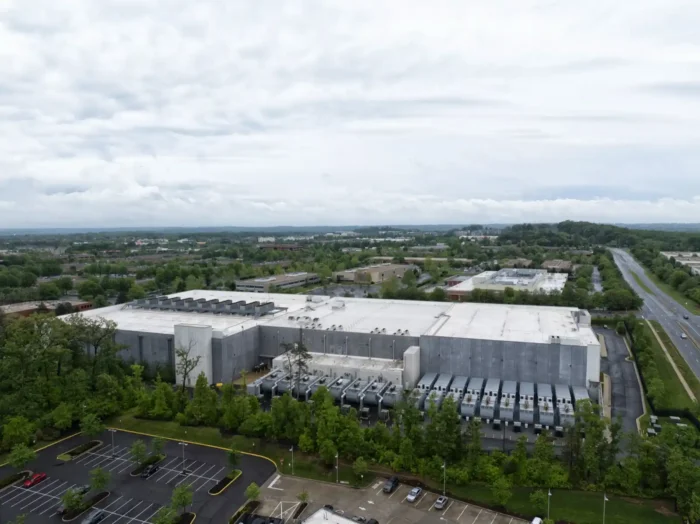
Nothing is guaranteed, especially not in property. There are reasons investors should be wary when thinking data centres are fool-proof destinations for their capital.
Data centres are power-hungry. Their reliance on power to function is huge, and with sustainability a major agenda item for governments, there’s no telling what sort of regulations that could be imposed on power usage for these assets.
Technology is also advancing at a ridiculously fast rate. Who’s to say that advanced measures of data storage aren’t developed in the near-future, effectively making data centres defunct or irrelevant?
Community pushback is another reason why they may be unfavourable in the future, the aforementioned power-hungry buildings being a nuisance and a proven health risk for many living nearby.
What does this mean going forward?
All that said, the shift of data centres from alternative asset class to potentially mainstream could be a reminder for investors to broaden the lens. Traditional property moves still have the most important place in investor playbooks. But opportunities — whether in childcare, medical centres or data centres — exist for those willing to accept the changing times.
Want to stay ahead of these trends? Subscribe to our newsletter. Every month, we send one update to over 2,000 investors with all the news that’s caught our attention.
It’s free, we never spam you and you can unsubscribe anytime.


